
A construction project needs electrical wiring, a car manufacturer orders metal components, and an energy company expands its power network. These businesses operate in different industries, yet all depend on copper. For traders exploring an online trading platform, understanding this connection can provide valuable insight into how industrial demand influences commodity markets.
Copper receives considerable attention because it is widely used in manufacturing, construction, transportation, and electrical infrastructure. Its price can reflect changing expectations about economic activity, although the relationship is never perfectly predictable. Studying copper offers an interesting way to understand the interaction between physical demand and financial market sentiment.
Understand Copper’s Industrial Importance
Copper conducts electricity efficiently and is used extensively in power cables, machinery, electronics, and building systems. Its versatility makes it important across industries that support both everyday consumption and long-term infrastructure development.
Traders can follow manufacturing releases and other scheduled economic indicators through an economic calendar. Such reports may provide clues about industrial demand, but they cannot determine copper prices independently. Mining production, inventories, and investor expectations also influence the market.
Examine Manufacturing Demand More Closely
Factories consume copper when producing electrical equipment, industrial machinery, and various manufactured goods. When manufacturing expands, businesses may require additional raw materials to support higher production volumes and planned investments.
However, stronger manufacturing activity does not automatically produce rising copper prices. Companies may already hold sufficient inventories, while producers could increase supply. Traders should compare demand indicators with available production and storage information before drawing conclusions.
Recognize China’s Role In Consumption
China plays a major role in global copper consumption because of its manufacturing industries, construction activity, and extensive infrastructure networks. Changes in Chinese industrial demand can therefore influence international expectations about copper requirements.
Nevertheless, its impact cannot be reduced to one economic statistic. Property development, electrical grid investment, manufacturing exports, and government policies may move in different directions. Understanding these separate activities provides a clearer picture than relying exclusively on headline growth figures.
Understand Mining Supply And Disruptions
Copper production depends on mining operations, processing facilities, transportation networks, and investment in new capacity. Equipment failures, labor disputes, environmental restrictions, and infrastructure problems can disrupt production unexpectedly.
These developments sometimes create concerns about future availability. However, their influence depends on existing inventories and whether other producers can compensate for lost output. A temporary interruption may affect market expectations differently from a prolonged structural shortage.
Investigate Inventories And Warehouse Stocks
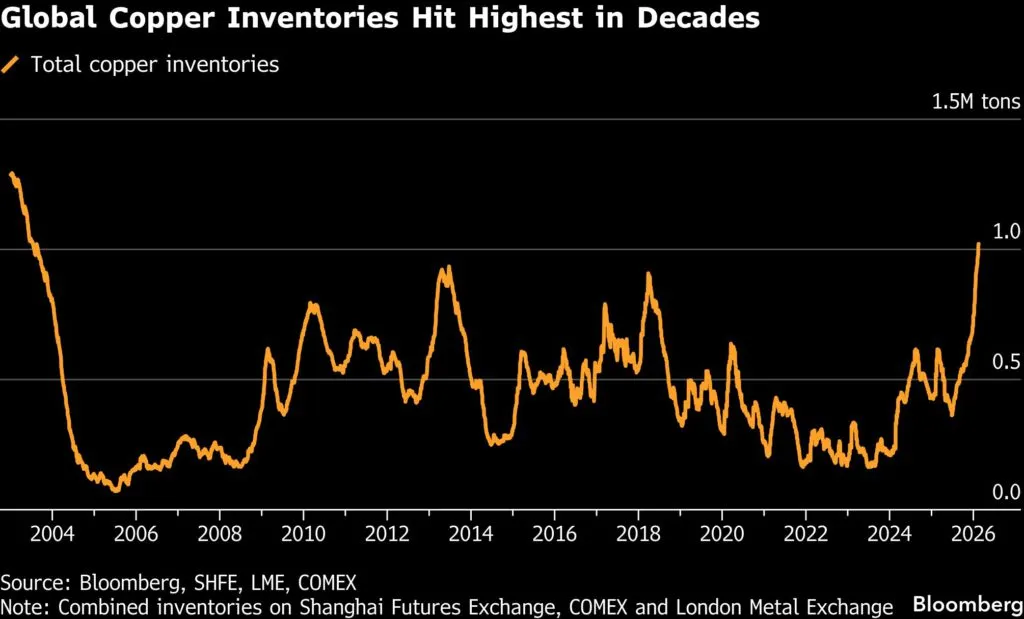
Commodity exchanges and industry organizations publish information about certain copper inventories. These figures can provide useful context about material available in monitored storage facilities and potential changes in supply conditions.
Falling inventories may indicate tighter availability, but they do not always signal an immediate shortage. Copper can also be stored outside exchange-monitored warehouses. Traders should therefore examine inventory figures alongside production reports and demand expectations rather than treating one measurement as conclusive.
Consider Electrical Infrastructure Investment Trends
Copper plays an important role in electrical power systems, renewable energy infrastructure, and many transportation technologies. Investment in these areas can influence expectations about future demand for conductive materials.
However, long-term demand projections involve uncertainty. Changes in technology, alternative materials, project financing, and government policies can affect consumption. Traders should distinguish confirmed industrial investment from speculative forecasts about future infrastructure expansion.
Recognize The Influence Of Currency Movements
Copper is commonly priced internationally in US dollars. Changes in the dollar’s value can influence purchasing costs for buyers operating with other currencies, potentially affecting demand and market expectations.
Yet currency movements represent only one influence on commodity pricing. A stronger dollar does not guarantee that copper will decline, particularly when supply disruptions or industrial demand developments create competing pressures. Broader context remains essential when interpreting price changes.
Separate Economic Signals From Trading Decisions
Copper is sometimes described as a useful indicator of global economic activity. Its widespread industrial use helps explain this reputation, but no commodity can provide a complete assessment of the world economy.
Traders should also distinguish physical copper ownership from derivative products that track price movements. Leveraged commodity CFDs may involve margin requirements, financing charges, and substantial financial risk. Understanding these conditions is necessary before considering any transaction.
Conclusion
Copper prices reflect a complex relationship between industrial production, mining supply, inventories, and international economic expectations. Studying these influences can help traders understand commodity markets without relying on simplistic predictions about economic growth. Educational resources and financial market information available through tradewill.com may support further research. Nevertheless, copper analysis cannot guarantee profitable outcomes or accurately forecast future economic conditions. Independent evaluation, careful position sizing, and realistic risk expectations remain essential when exploring commodity-related financial products.